
Grief Education
Drawing from pastoral care, Black Church studies, spiritual formation and grief recovery, Dr. Hudson brings Scripture into honest conversation with the losses, questions and experiences people often struggle to name in church.
All speaking engagements and workshops are primarily in-person experiences hosted in Charlotte, NC and Fort Mills, SC.
Online options may be available after consultation.
Grief, Faith & Soul Workshop Series
Featuring…
Grief Has Many Faces

Theme: Recognizing the losses we grieve—even when no one calls them grief.
Central question:
What changes when we recognize that grief is not limited to death?
Learning objectives:
Participants will be able to define grief as a normal response to loss and change Identify both recognized and often-overlooked losses
Distinguish tangible losses from intangible/internal losses
Recognize ways grief may appear emotionally, spiritually, relationally, cognitively, and physically
Begin replacing judgment of grief with curiosity and compassion
Grief and the Black Church
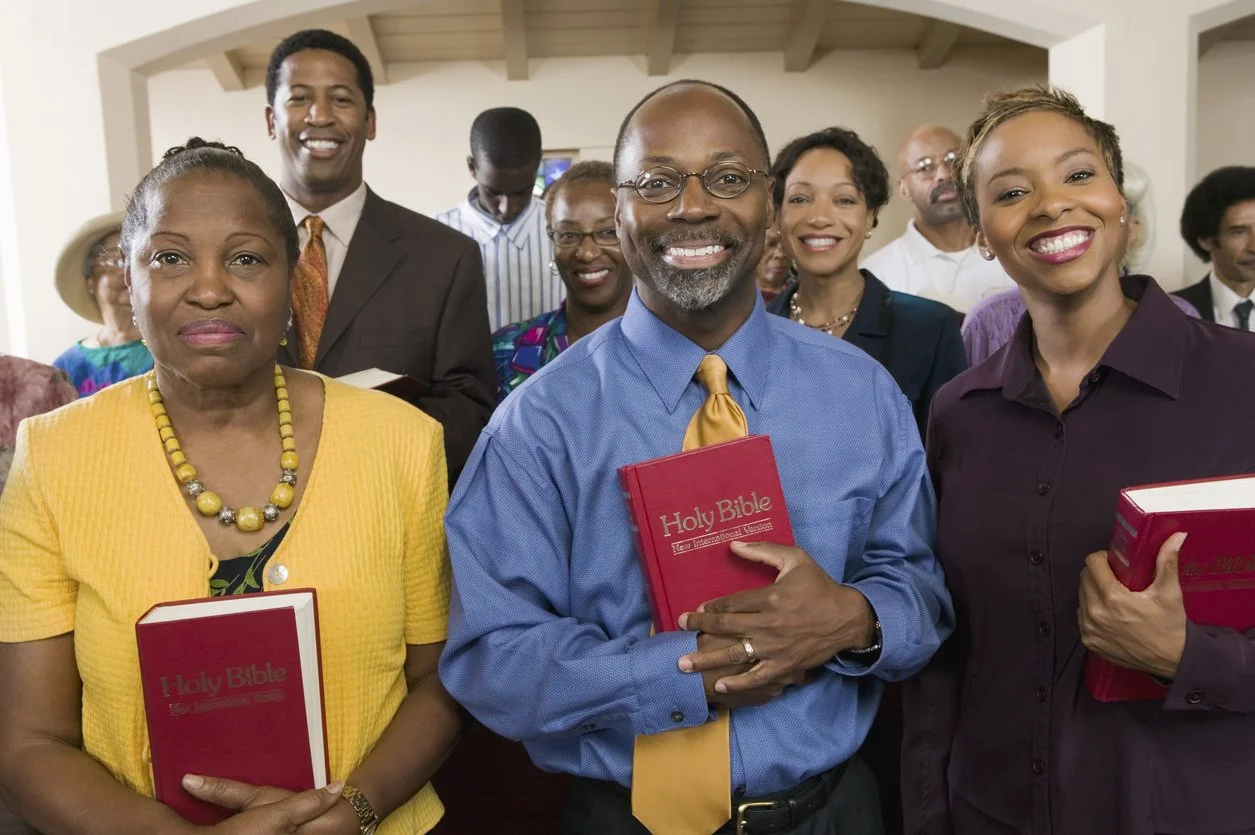
Theme: Honoring the strength of the Black Church while creating greater room for lament.
Central question:
How can the Black Church remain a place of hope without asking grieving people to hurry toward hope?
Learning objectives:
Participants will examine the Black Church's historic role as a source of resilience, communal care, resistance, faith, and meaning
Identify church messages that may unintentionally silence grief
Explore the relationship among cultural survival, faith, strength, and emotional expression
Recover biblical lament as a legitimate expression of faith
Identify ways congregations can develop healthier grief-care cultures.

The Grief of Racial Harm
Theme: Naming racial harm not only as injustice or trauma, but also as a source of loss and grief.
Central question:
What have racial harm and racism caused us to lose—and where does that grief go when it is never acknowledged?
Learning objectives:
Participants will recognize grief associated with racial harm
Identify visible and invisible losses such as safety, belonging, opportunity, trust, innocence, community, dignity, relationships, and expectations
Explore the emotional cost of repeated racial injury
Examine biblical responses to oppression and communal suffering
Identify spiritually healthy ways of acknowledging racial grief without minimizing injustice
The Grief of Church Hurt
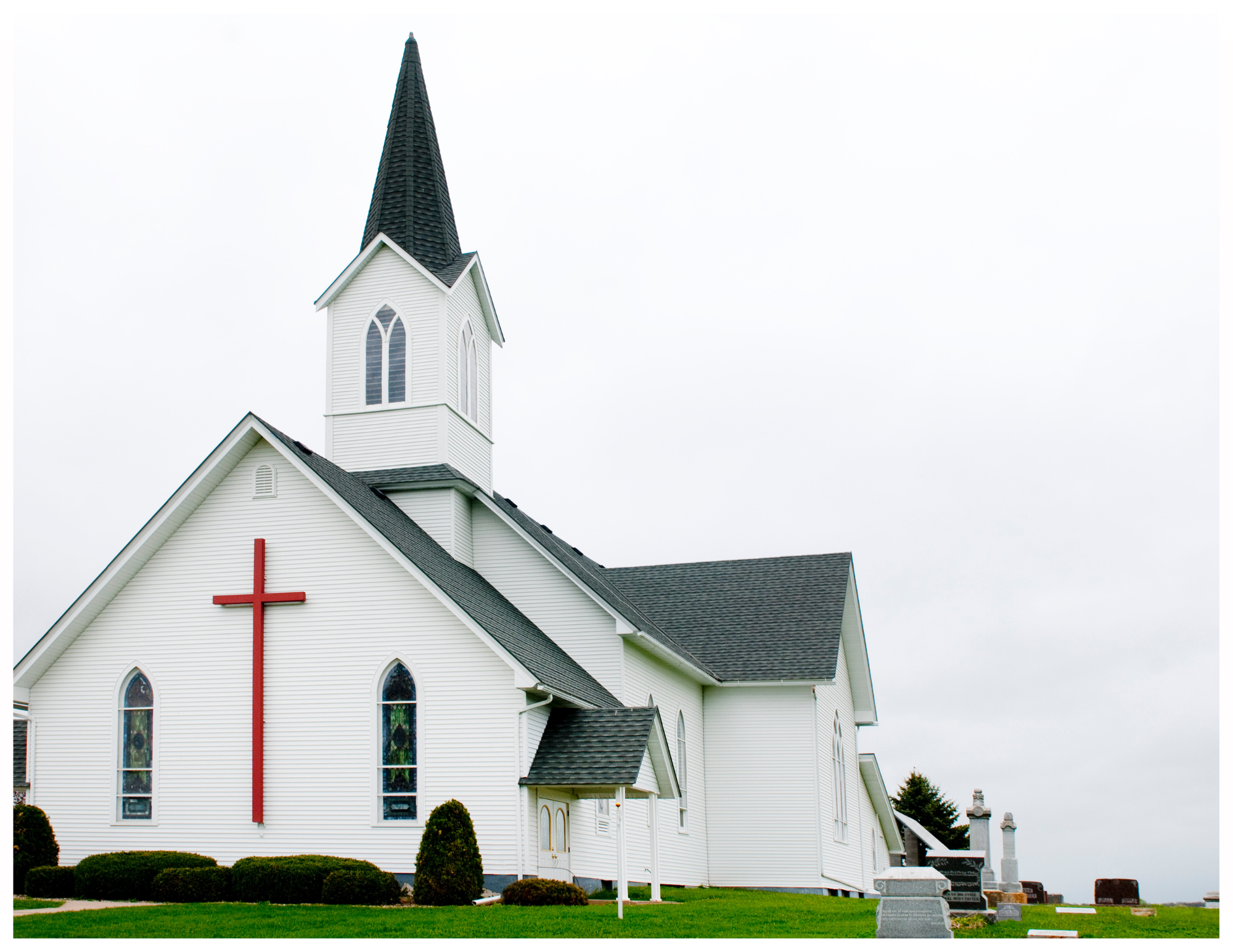
Theme: Making space to grieve what happens when a place associated with God becomes associated with pain.
Central question:
How do we grieve harm connected to church without assuming that grieving the church means abandoning God?
Learning objectives:
Participants will distinguish disappointment, conflict, church hurt, spiritual abuse, and other forms of harm
Identify losses associated with harmful church experiences
Explore how church hurt can affect one's image of God, trust, belonging, identity, and spiritual practices
Differentiate God from the behavior of God's people
Identify pathways toward spiritually healthy boundaries and support

Supporting Someone Who Is Grieving
Theme: Learning the ministry of presence when there is nothing to fix.
Central question:
How do we accompany grieving people without trying to manage, explain, correct, or hurry their grief?
Learning objectives:
Participants will understand the difference between presence and problem-solving
Recognize common statements that unintentionally minimize grief
Develop listening and companionship skills
Learn when practical support is more helpful than advice
Respect differences in grieving styles
Recognize when professional or specialized support may be appropriate

The Soul After Loss
Theme: Exploring what loss does to our inner life and how spiritual formation can gently accompany grief.
Central question:
What does the soul need when life after loss no longer looks like life before it?
Learning objectives:
Participants will explore how loss can affect identity, meaning, relationships, faith, hope, and one's experience of God
Recognize the temptation to force themselves back to a previous version of life
Understand spiritual formation as attentiveness to God's presence rather than spiritual performance
Identify practices that create space for grief without attempting to eliminate it
Begin imagining life after loss without dishonoring what has been lost

Introduction to Grief Recovery
Theme: Recovery is Key
Central question:
What does it mean to recover from grief—not by forgetting what happened, but by learning how to live more fully after loss?
Learning objectives:
Participants will be able to understand the difference between grief education and participating in the structured Grief Recovery Method® process.
Grief will be reframed as normal and natural.
They’ll examine how families, churches, communities, and culture teach us—directly and indirectly—what emotions are acceptable.
The recovery concept will be introduced as a way to honor what or whom was lost, instead of forgetting them.
Healing can involve both faith and intentional action.